

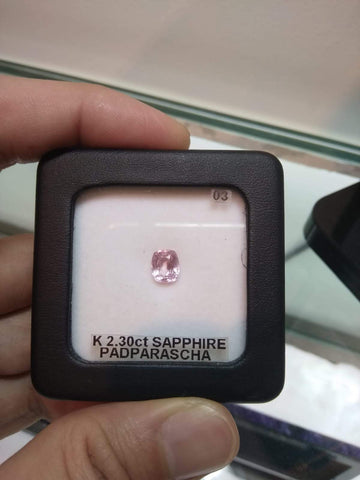
A pink-orange sapphire is not automatically a padparadscha. The term describes a particular colour range, and laboratory opinions, treatment and colour stability can matter when the name is used in a sale.
Our experience with the name
In the original 2018 article, we described purchasing stones represented as padparadscha that were subsequently described as orangey-pink sapphire by a laboratory. We also recalled a transaction affected when a later report did not repeat an earlier padparadscha description.
These experiences taught us to appreciate the stone in front of us and review the available evidence before relying on a trade name. They do not mean that all laboratories or all pink-orange sapphires will produce the same outcome.
What buyers should ask
- What exact colour and identity does the current report describe?
- Is the report for this stone, and what treatments are recorded?
- Has any colour stability issue been considered?
- If reports differ, can the difference be discussed before the purchase?
Choose the colour you enjoy
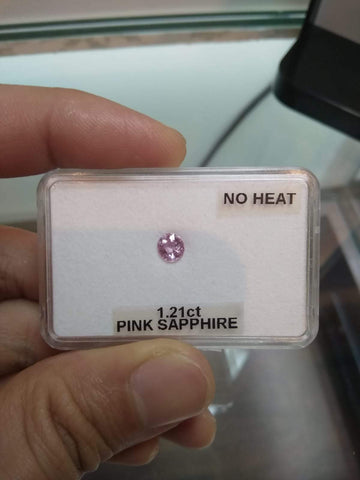
Compare hue, tone and saturation under suitable lighting. A beautiful pink or pink-orange sapphire can be a satisfying choice without stretching the description. If a premium depends on the word padparadscha, agree what supporting documentation is required.
Illustrations and examples
Questions buyers ask
Does pink-orange colour prove padparadscha?
No. Review the laboratory’s description and any treatment or colour-stability findings, particularly if the name affects the purchase price.
Further reading
Explore with us in Singapore
Explore Sapphire and compare individual pieces with our team. Tell us the colours you enjoy, your intended use and the budget you are comfortable with.